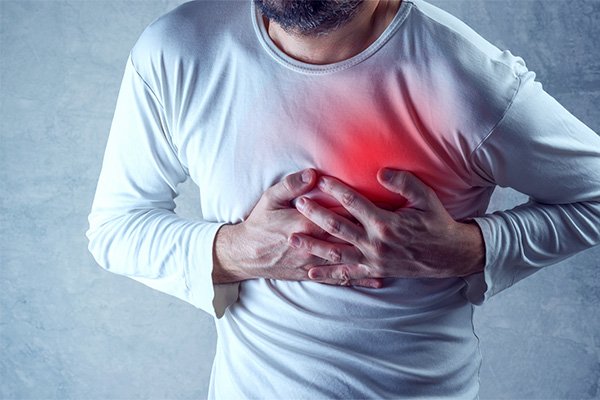
A heart attack occurs when blood flow to a part of the heart is suddenly blocked, causing damage to the heart muscle. Immediate treatment is critical to reduce complications, protect the heart, and improve long-term recovery. Many patients experience warning signs such as chest pain, shortness of breath, sweating, nausea, or discomfort radiating to the arm, jaw, or back. Early recognition of these symptoms and quick medical intervention can greatly improve survival and reduce permanent heart damage.
With the right care—including medications, monitoring, lifestyle changes, and follow-up—patients can return to healthier, more stable living. Patients are guided through cardiac rehabilitation, regular checkups, cholesterol and BP management, diabetes control, and lifestyle modifications to prevent future episodes.
 +91 97275 79000
 +91 85110 95623
 vipul.patel180@gmail.com
 24 * 7 Hours